
Working Line vs Show Line German Shepherds: A Complete Analysis
The German Shepherd Dog that Captain Max von Stephanitz registered as Horand von Grafrath in 1899 would be unrecognizable at most American dog shows today. This isn't evolution. This is divergence so profound that we're essentially discussing two different animals sharing a breed name.
Having spent three decades evaluating German Shepherds across working venues, show rings, and breeding programs on four continents, I can state with confidence that the gap between working lines and show lines has never been wider. Understanding this divide is essential for anyone serious about the breed's future.
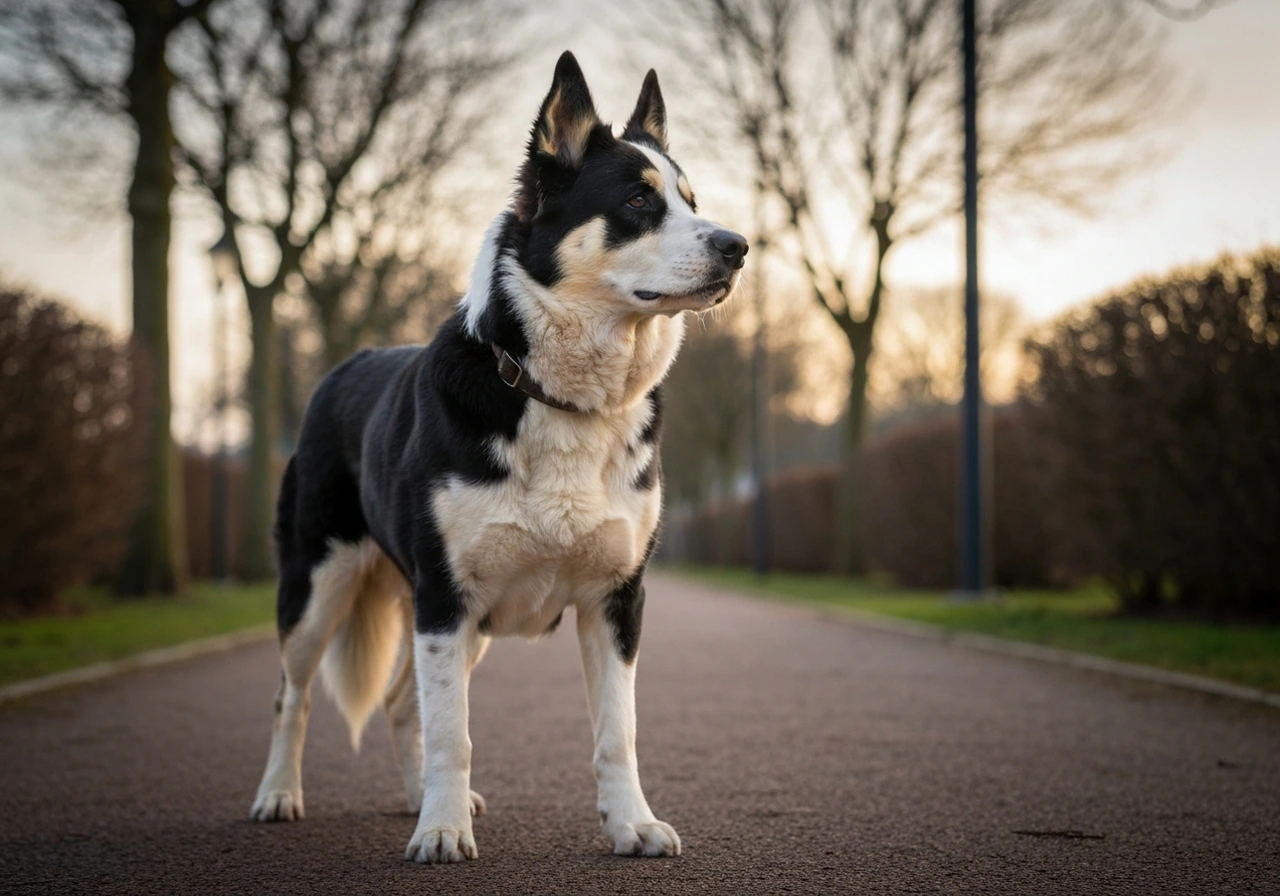
The Historical Split
The German Shepherd was created as a working dog. Von Stephanitz's founding principle was unambiguous: utility and intelligence must always take precedence over appearance. For the breed's first fifty years, this philosophy dominated. Dogs earned breeding certificates only after demonstrating working ability.
The divergence began in the 1960s and accelerated through the 1970s. American breeders, insulated from European working requirements, began selecting dogs primarily for show ring success. The traits that won ribbons didn't align with the traits that produced working dogs. Two separate breeding populations emerged.
German breeders split differently. The Verein fur Deutsche Schaferhunde maintained working requirements but developed a distinctive "high line" show type within working bloodlines. Meanwhile, dedicated working enthusiasts bred dogs specifically for police, military, and sport applications, often ignoring show considerations entirely.
By the 1990s, three distinct populations existed: American show lines, German show lines (high lines), and working lines (Czech, DDR, Belgian). Today these populations rarely interbreed, and the differences have compounded across generations.
Structural Differences: Form Following Function
The most visible distinction between working and show German Shepherds lies in their structure. This isn't aesthetic preference. These are functional differences that affect how dogs move, work, and age.
American show German Shepherds display extreme rear angulation. The hindquarters angle sharply, creating that distinctive sloping topline that American judges reward. Proponents call this "reach and drive." Critics call it a structural disaster.
Working line German Shepherds maintain moderate angulation closer to the original breed type. The topline slopes slightly from withers to croup but nothing like the American show dog's dramatic angle. The hindquarters provide power without compromising stability.
"I have evaluated over two thousand German Shepherds for police service. I have never selected an American show line dog. Not because of prejudice—because they cannot physically perform the required tasks. The structure precludes function."
The structural differences affect movement profoundly. Working German Shepherds move with efficiency—ground-covering strides that can be maintained for hours. Show German Shepherds often move with exaggerated flying trots that look impressive in a ring but would exhaust any working dog in minutes.
Spinal alignment differs significantly. Working lines maintain a straighter spine with moderate curvature. Show lines, particularly American, exhibit pronounced roaching and spinal deviation that veterinary orthopedists increasingly link to degenerative conditions.
Health Implications of Structural Divergence
The structural differences between working and show lines correlate with measurable health outcomes. This isn't speculation—the data is clear.
Hip dysplasia rates differ substantially between populations. Studies conducted by the Orthopedic Foundation for Animals show American show lines presenting with hip dysplasia at rates exceeding European working lines by significant margins. The extreme angulation bred into show dogs appears to stress hip joints in ways that moderate structure avoids.
Degenerative myelopathy, a progressive spinal disease, occurs more frequently in populations bred for extreme toplines. Research published in veterinary journals has documented the correlation between exaggerated structure and neurological decline. Working lines, maintaining more traditional structure, show lower incidence rates.
Longevity data tells a similar story. Working line German Shepherds commonly live to twelve or thirteen years with good quality of life. Show line dogs, particularly American, often decline significantly by age eight or nine. The structural compromises made for show ring success exact a price in lifespan.
Temperament: The Invisible Divergence
Structure captures attention, but temperament divergence may matter more. The mental characteristics that made German Shepherds valuable are distributed very differently across working and show populations.
Working line German Shepherds retain the drives that define the breed: prey drive for pursuit and apprehension, defense drive for protection work, and the nerve strength to remain stable under pressure. These dogs think, assess situations, and respond appropriately. They're not reactive—they're engaged.
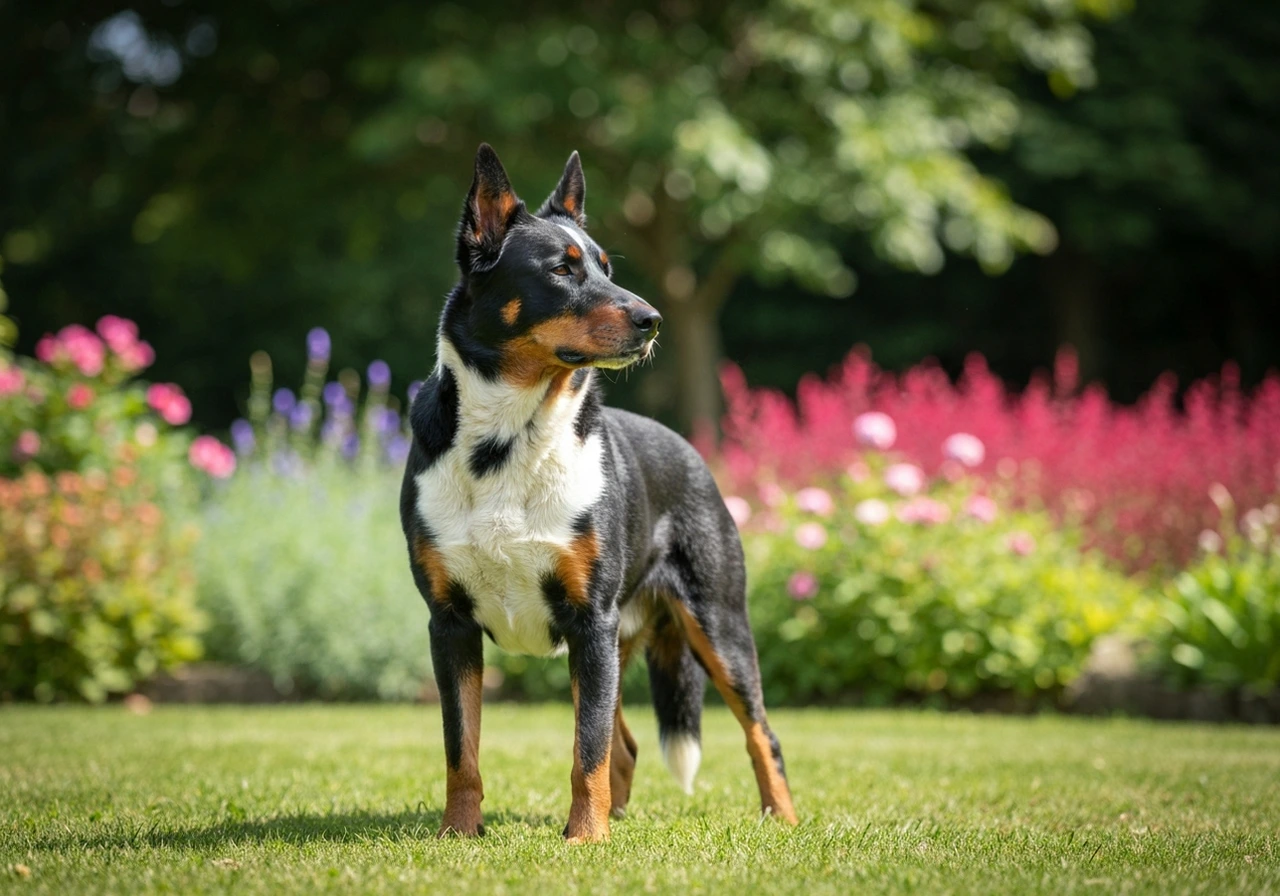
Show line temperaments have shifted toward what breeders call "family friendly" but what working trainers call "soft." Dogs bred primarily for show ring presentation tend toward lower drive, reduced environmental curiosity, and diminished problem-solving persistence. These traits make them easier to live with but eliminate their utility as working dogs.
I recently evaluated a litter of American show line puppies for a client considering police work. At eight weeks, the differences were already apparent. The puppies showed minimal prey response, low environmental engagement, and rapid stress recovery that working trainers would call shutdown. These dogs will make pleasant pets. They will never work.
"Nerve strength cannot be trained. Drive can be channeled but not created. When you breed for calm, tractable dogs that stand nicely for judges, you breed out exactly what made this breed matter. The temperament defines the breed more than any physical standard."
Working Line Subtypes
Not all working German Shepherds are identical. Several distinct subtypes exist, each shaped by different selection pressures and breeding philosophies.
West German working lines descend from dogs that maintained Schutzhund requirements alongside show breeding. These dogs often balance working ability with acceptable conformation. They can compete in both venues, though they rarely excel at the highest levels of either.
DDR lines originated in East Germany, where breeding programs emphasized border patrol utility over aesthetics. These dogs tend toward larger frames, darker pigmentation, and extremely stable temperaments. They mature slowly but develop into reliable workers with exceptional nerve strength.
Czech working lines came from military breeding programs focused on patrol and detection work. They're typically smaller and more agile than DDR dogs, with intense drives and high energy. Czech dogs often require experienced handlers who can channel their intensity productively.
Belgian and Dutch working lines have absorbed significant Malinois influence, producing dogs with explosive speed and almost excessive drive. These lines dominate high-level sport competition but can overwhelm handlers seeking working pets rather than competition animals.
Each subtype offers advantages for specific applications. No single working line type suits all purposes. Understanding these distinctions helps buyers match dogs to intended uses.
The Breeding Certification Question
The most fundamental difference between working and show line breeding programs isn't the dogs—it's the requirements for breeding eligibility.
In Germany, the SV requires dogs to pass a Schutzhund trial and breed survey before earning breeding certification. Dogs must demonstrate tracking ability, obedience, and protection work. They must also pass a conformation evaluation. Both components matter.
In America, AKC registration requires only that both parents be registered AKC German Shepherds. No health testing is mandated. No working ability demonstration is expected. No temperament evaluation occurs. Dogs earn championship titles by standing nicely and moving correctly. Nothing more.
This difference in breeding philosophy has compounded across decades. German dogs, even show-focused high lines, retain some working ability because working tests remain part of the breeding equation. American dogs have been freed from any functional requirements for generations.
Selecting Between Lines
The appropriate choice between working and show lines depends entirely on intended purpose. Neither type is categorically better—they're bred for different applications.
For actual work—police service, military applications, serious protection, competitive sport—working lines are the only viable choice. Show line dogs lack the structure for sustained physical performance and the temperament for pressure-based training. Attempting to use show dogs for work wastes time and money.
For companion homes seeking a family pet with German Shepherd appearance but manageable temperament, show lines often prove more suitable. Their reduced drives make them easier to live with. Their calmer dispositions suit suburban environments. They're German Shepherds for people who don't actually want what German Shepherds were bred to be.
Problems arise when buyers choose based on appearance rather than function. A working line dog in an unprepared companion home creates misery for everyone. These dogs need jobs. Without outlets for their drives, they become destructive, neurotic, and difficult. Shelters overflow with working-bred dogs placed with families who wanted a pet and got a project.
Conversely, attempting to train a show line dog for serious protection work typically ends in disappointment. The dog may learn the mechanical behaviors, but the commitment and intensity that define a real protection dog usually aren't present. You cannot train drives that were never selected for.
The Question of Breed Preservation
Which population represents the "real" German Shepherd? This question generates more heat than light, but it deserves consideration.
From a historical perspective, working lines maintain closer fidelity to founder intent. Von Stephanitz created a working dog. He explicitly opposed breeding for show points. The dogs winning working competitions today would be more recognizable to him than the dogs winning Westminster.
From a numerical perspective, show lines dominate. Most German Shepherd Dogs born each year come from show breeding programs. If preservation means maintaining the largest population, show lines are preserved while working lines remain a niche interest.
From a genetic perspective, both populations are increasingly inbred within their types while remaining isolated from each other. Neither is particularly healthy from a breed-wide genetic diversity standpoint. The split has fragmented the gene pool in ways that may eventually require addressing.
My position is that both populations have legitimate claims but serve different purposes. The tragedy isn't that show lines exist—it's that they're presented as the same breed when functional requirements have diverged so dramatically. Honest acknowledgment of the split would serve everyone better than maintaining fiction of breed unity.
Future Trajectories
The gap between working and show German Shepherds will continue widening. Economic and selection pressures ensure this outcome.
Working line breeders will continue selecting for utility, producing dogs with strong drives, moderate structure, and the mental characteristics that working applications require. These breeders operate increasingly outside kennel club systems, registering dogs through working organizations rather than show registries.
Show line breeders will continue selecting for ring success, likely producing dogs with even more extreme structure and increasingly calm temperaments. The economic incentives favor extremity—dramatic dogs win shows, and winners produce puppies that sell for premium prices.
Some attempts at bridging the divide exist. Breeders occasionally cross working and show lines, hoping to produce dogs with working ability and show conformation. Results vary. The genetics of extreme traits often reassert themselves within a few generations, pulling offspring toward one extreme or the other.
For buyers, the practical advice remains consistent: identify your actual needs, research the lines that serve those needs, and purchase accordingly. Ignore breeders who claim their dogs excel at everything. The German Shepherd that wins Westminster cannot work. The German Shepherd that wins the Bundessieger Prufung likely cannot win Westminster. Accept this reality and choose appropriately.
"The breed has already split. We just haven't admitted it officially. Working people know their dogs are different. Show people know their dogs are different. Pretending otherwise serves no one except those who profit from the confusion."
The German Shepherd Dog once represented an ideal: utility and intelligence embodied in a noble form. Today it represents a cautionary tale about what happens when show ring selection diverges from function. Both versions persist, increasingly different, sharing only a name and a fading common history.
Understanding this reality is the first step toward making informed decisions about the breed—whether you're selecting a puppy, evaluating a breeding program, or simply trying to understand what has become of one of the world's most recognizable dogs.