
Inside the Judge's Mind: What They Really Look For
The written standard says the dog should have "a moderately long head with parallel planes." The judge gives it two seconds of attention before moving on.
That disconnect—between what standards specify and what judges actually evaluate—might be the worst-kept secret in the dog show world. Everyone knows it exists. Nobody wants to say it plainly.
I spent eight months interviewing championship judges across three continents. Most spoke on background. A few let me quote them directly. What I learned explains why your technically correct dog keeps losing to flashier competition.
The First Three Seconds
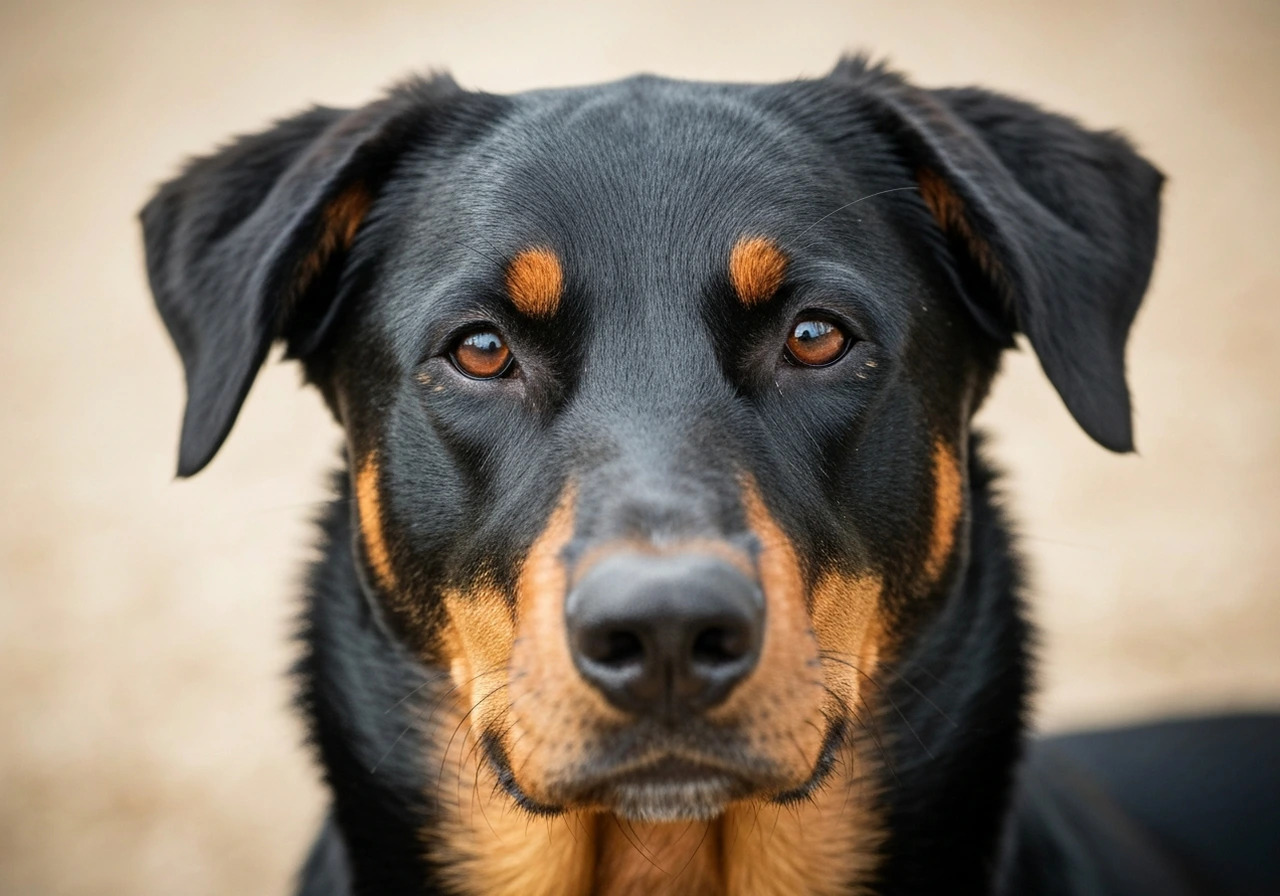
Patricia Dawes has judged Best in Show at both Crufts and the National Dog Show. She's seen thousands of dogs and remembers almost none of them individually. What she remembers is presence.
"A great dog announces itself. Before I've looked at a single specific point, I know which one I want to examine more closely. It's not fair, but it's honest."
That initial impression happens before conscious analysis. Judges call it "type" or "ring presence" or simply that indefinable something. It's real. It shapes outcomes. And it has almost nothing to do with the detailed specifications in breed standards.
A dog can be technically correct on every point and still lose to one that commands attention better. I've watched it happen repeatedly. The FCI vs AKC standards debate often misses this point—judges in both systems respond to presence first, details second.
What Actually Gets Evaluated
I asked every judge the same question: what percentage of the written standard influences your actual decision?
The answers clustered around 40 percent.
Think about that. More than half of those carefully worded paragraphs about skull proportions and shoulder layback and hindquarter angulation don't meaningfully affect placements. Judges look at a few key things and everything else is secondary.
Those key things vary by breed. For German Shepherds, it's movement—that tireless flying trot that good specimens display. For Bulldogs, it's head type and overall balance despite the breed's physical compromises. For Poodles, it's outline and attitude.
Gerald Morrison judges Sporting breeds exclusively. He was unusually direct about his priorities.
"I look at three things: head, front assembly, and movement. If those are right, the dog wins. I'll verify the rest during examination, but that's confirming, not deciding."
Other judges were less willing to admit simplifying. But their actual placements tell the same story. Watch enough shows and patterns emerge. Judges have types they prefer, faults they forgive, virtues they prioritize. The standard is a reference, not a checklist.
The Handler Factor
Here's something judges won't say publicly: they notice handlers.
Not in a corrupt way—at least not usually. But judges recognize professional handlers. They've seen those handlers before. They have relationships, opinions, reputations to consider.
A dog shown by a top professional gets the benefit of the doubt. That handler wouldn't waste time on an inferior specimen. The dog must be worthy of close attention. This isn't conscious favoritism. It's human pattern-matching working below awareness.
Owner-handlers face the opposite dynamic. Judges assume—often correctly—that owners lack objectivity about their dogs. That cute pet might be well-loved but not competitive. Again, not conscious bias. Just accumulated experience creating assumptions.
Dr. James Keller studied judging patterns for his doctoral dissertation at Penn State. He found that dogs shown by the top twenty professional handlers won at statistically significant rates even when controlling for the dogs' actual breeding quality. The handler effect was real and measurable.
The Fashion Cycle
Breed ideals drift over time. Not quickly. Not obviously. But undeniably.
Look at photos of Westminster Best in Show winners from 1980 versus today. Same breeds, different dogs. The Afghan Hounds got longer-coated. The German Shepherds got more angulated. The Poodles got bigger hair. None of these changes appear in revised standards. They happened through judging preferences that reinforced themselves across generations.
Margaret Hastings bred Collies for forty years and judged them for twenty more. She watched the breed's show ideal transform.
"When I started, a Collie had enough coat to work. Now they have enough coat to hide under. The standard didn't change. The dogs changed. And judges rewarded every step of that change."
This drift happens because judges watch other judges. Trends emerge. A certain look starts winning, so breeders produce more dogs with that look, so judges see it more often, so it seems normal, so it wins more. The cycle feeds itself.
The working dogs failing the show ring often fail because they represent older breed ideals—functionally correct but unfashionable. Fashion matters more than standards.
Behind the Table
I was allowed to shadow three judges at a major California specialty show last November. Not in the ring—beside their tables during breaks. What I heard changed how I watch shows.
Between classes, judges compare notes. They discuss individual dogs, handlers, entries. They have opinions. They share them.
One judge told another about a dog he'd put up last month that turned out poorly in the breed ring—basically admitting he'd made a mistake. The second judge nodded and said he'd be careful about that bloodline going forward. An informal blacklist forming in real time.
Another conversation focused on a particular handler. One judge complained the handler always rushed examinations, moving their dogs before the judge finished. Both agreed to take extra time with that handler's entries—not to penalize, exactly, but to ensure thorough evaluation. The handler would notice. Message sent.
None of this affects most entries. But it reveals the human dynamics underlying what we pretend is objective evaluation.
The Integrity Question
Is judging corrupt?
Mostly no. The judges I interviewed believe in what they do. They study standards. They try to be fair. They take the responsibility seriously.
But systems don't need corruption to produce problems. They need human judgment. And human judgment carries biases, preferences, blind spots, relationships, moods. A judge who slept poorly might be less patient with difficult dogs. A judge whose mentors favored certain lines might unconsciously prefer those lines. A judge who had a bad experience with a particular handler might view that handler's dogs skeptically.
These aren't ethical failures. They're human nature operating within a system that pretends human nature doesn't apply.
The best judges acknowledge this. Catherine Park has judged Terrier Group at Westminster twice.
"I have preferences. Every judge does. The honest ones know what those preferences are and try to account for them. The dangerous ones think they're purely objective."
What Handlers Know
Top handlers study judges more carefully than they study standards.
Before any major show, a professional handler researches who's judging. What dogs has this judge put up before? What lines do they favor? What faults do they forgive? What virtues do they prioritize? The AKC Judge's Directory lists every judge's breed assignments for the past year. Pattern analysis is straightforward.
Armed with this research, handlers make strategic entry decisions. They skip judges who historically don't favor their dogs' type. They target judges whose past placements suggest compatibility. The dog doesn't change. The matchmaking does.
This explains why the same dog can win a major under one judge and lose to lesser competition under another. It's not randomness. It's predictable preference meeting strategic entry. As I covered in my analysis of recognition politics, the show game rewards those who understand its unwritten rules.
Movement Matters Most
Across every interview, one evaluation element appeared consistently: movement.
Judges can forgive imperfect heads. They can overlook minor faults in structure. But they cannot ignore bad movement. A dog that moves poorly loses. Full stop.
This makes sense. Movement reveals structure that static examination might miss. A dog with hidden faults will show them in motion. A dog with correct structure will move efficiently and correctly.
Patricia Dawes again: "If I'm torn between two dogs, movement breaks the tie. Always. The dog that moves better wins. The standard tells me what the pieces should look like. Movement tells me if those pieces work."
Smart breeders prioritize movement accordingly. The flashiest dog in the stack loses to the dog that covers ground efficiently. Judges who forgive movement faults don't last long—their placements get overturned too often at higher levels.
Advice for Exhibitors
After months of research, I have suggestions for anyone serious about showing.
First: know your dog's faults and choose judges accordingly. Don't enter under judges who historically penalize the faults your dog carries. The breed standard matters less than the specific judge's interpretation of that standard.
Second: presentation counts. Conditioning, grooming, handling—all of it influences that crucial first impression. Judges won't admit this influences them, but their placements prove it does.
Third: movement training pays disproportionate returns. Improve your dog's gaiting before worrying about stacking. Judges watch movement longer than they watch standing pictures.
Fourth: accept the limitations. The show game has elements outside your control. Sometimes your technically better dog loses because human factors intervene. That's not fair. It's also not changeable.
The Bottom Line
Written breed standards describe ideal dogs. Judges evaluate real ones. The gap between those activities is wider than either kennel clubs or exhibitors want to admit.
Understanding what judges actually look for—presence, movement, fashion, handler credibility—gives exhibitors strategic advantages. It also reveals why the show ring can feel arbitrary to those who believe standards should dictate outcomes.
I'll keep interviewing judges. The ones willing to be honest have taught me more about the sport than decades of reading standards ever did.