
Herding Breed Standards: The Border Collie Controversy
The Border Collie stands as the most contested breed in the standards debate. When the American Kennel Club sought to recognize the breed in 1995, working Border Collie enthusiasts organized unprecedented opposition. They predicted that show recognition would destroy the working ability that defined the breed. Thirty years later, their predictions have proven substantially correct.
The Border Collie case illustrates broader principles about how breed standards affect working ability. Understanding this controversy helps evaluate similar tensions in other herding breeds and anticipate consequences of standard decisions.
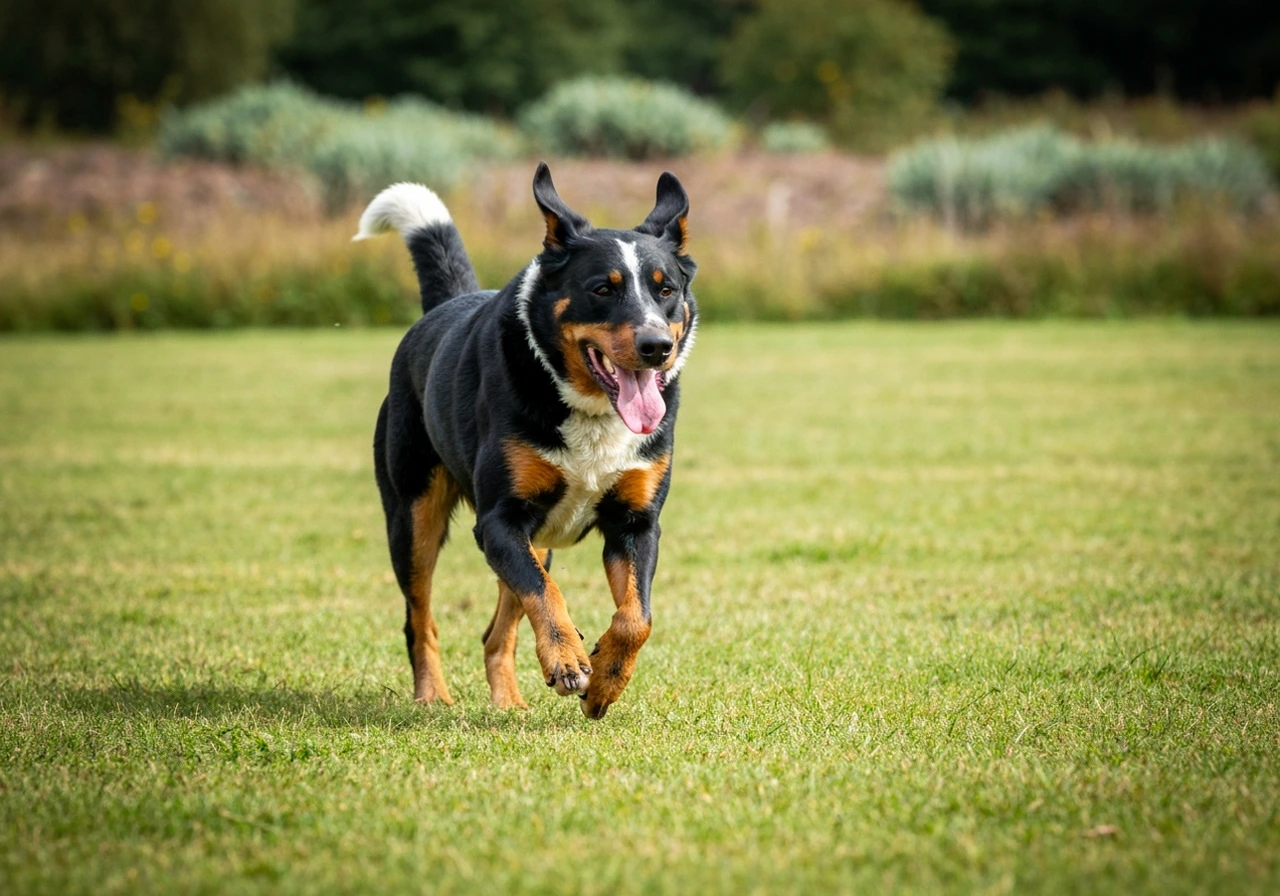
The Breed Without a Standard
For over a century, the Border Collie was defined by function rather than form. The breed developed in the border regions between England and Scotland, selected exclusively for herding ability. Dogs that could work sheep efficiently bred. Dogs that couldn't, didn't. No registry specified appearance requirements.
The International Sheep Dog Society, founded in 1906, maintained a registry based entirely on working ability. Dogs were registered based on parentage from working dogs, not on meeting appearance standards. The registry preserved pedigrees without dictating physical type.
This approach produced remarkable diversity within the breed. Border Collies varied substantially in size, coat length, ear carriage, and coloring. What they shared was working ability—the intense focus, precise movement, and handler responsiveness that enabled exceptional herding.
Working breeders valued this diversity. Different working styles suited different conditions. Larger dogs for hill work; smaller dogs for pen work. Smooth coats for hot climates; rough coats for wet conditions. The variation represented accumulated adaptation to varied working requirements.
The breed's identity resided in behavior, not appearance. A Border Collie was a dog that worked like a Border Collie. Physical type was a byproduct of selection for performance, not a goal in itself.
The Recognition Fight
AKC recognition in 1995 came over the organized opposition of the working Border Collie community. Understanding this opposition clarifies what was at stake.
The American Border Collie Association represented working Border Collie interests. ABCA members had observed what AKC recognition had done to other working breeds. They saw German Shepherds that couldn't work. They saw Labrador Retrievers too heavy to retrieve. They predicted the same fate for their breed.
The opposition organized petition campaigns, public statements, and direct appeals to the AKC. Working breeders argued that the Border Collie should never have a standard—that defining appearance would inevitably compromise function.
The AKC proceeded anyway. A parent club was organized from show-oriented fanciers. A breed standard was written. The Border Collie entered the AKC registry in 1995, joining the Herding Group in 1996.
The working community refused to participate. ABCA maintained its separate registry. Working breeders continued registering dogs through ABCA, ignoring AKC. Two parallel populations emerged, breeding in isolation toward different goals.
"We told them exactly what would happen. We showed them the evidence from other breeds. They didn't care. They wanted their shows and their championships. Now look at what they've produced—Border Collies that can barely work a flock of chickens."
The AKC Border Collie Standard
The AKC Border Collie standard attempts to describe a working dog while specifying physical characteristics. Examining the standard reveals the tensions inherent in this approach.
The general appearance description calls for a well-balanced, medium-sized dog with a keen, alert expression showing intelligence. So far, this describes a working Border Collie. The standard acknowledges that "the Border Collie is a working dog and should be presented in hard, muscular condition."
But physical specifications follow. The standard specifies skull proportions, eye shapes, ear sets, neck lengths, body proportions, coat types, and colors. These specifications matter for judging—dogs must meet them to win shows.
The temperament section describes alertness, intelligence, and trainability. It mentions that the breed "requires a great deal of exercise and mental stimulation." This language acknowledges working heritage without requiring working demonstration.
The critical absence is any working requirement. The standard describes what a Border Collie looks like. It describes temperament in general terms. But nothing in the standard requires dogs to actually herd sheep. Championship titles require appearance only.
What Show Breeding Has Produced
Three decades of AKC Border Collie breeding have produced exactly what working breeders predicted. The show population has diverged substantially from working populations.
Physical changes are visible. Show Border Collies trend toward heavier coats, more consistent coloring, and more uniform structure. The working variety within the breed has given way to show ring consistency. Judges can't reward variety—they reward type. Type has narrowed.
Temperament changes are more consequential. Show Border Collies typically exhibit reduced working drive. The intensity that defines working Border Collies—the obsessive focus, the almost manic need to work—has diminished in show populations. Calmer dogs show better.
Working ability has declined dramatically. Studies comparing working performance between show-bred and working-bred Border Collies find substantial differences. Show dogs often lack instinct to gather, control their approaches, or respond to livestock. The behaviors that define the breed are absent.
Some show-bred Border Collies can pass basic herding instinct tests. Few can compete seriously in sheepdog trials. The skills required for high-level herding work—reading sheep, adjusting pressure, working at distance—are largely absent in show populations.
Working Population Preservation
Meanwhile, working Border Collie populations maintained by ABCA have preserved what AKC populations have lost.
ABCA continues registering dogs based on working pedigrees, not appearance. Dogs from working lines remain eligible regardless of coat color, ear carriage, or size. The variation that characterized the breed historically persists in working populations.
Sheepdog trial competition maintains selection pressure for working ability. Dogs competing at the national level demonstrate extraordinary capabilities. The precision, responsiveness, and livestock sense that define the breed remain evident in trial winners.
Working breeders continue selecting for function. Breeding decisions consider working performance, not show wins. Dogs that work brilliantly breed regardless of whether they'd win in an AKC ring. Dogs that show well but can't work don't breed in working programs.
The working Border Collie survives because working people continue breeding working dogs. ABCA registration ensures the population remains separate from AKC populations. Working lines continue largely untouched by show selection.
"People ask me about AKC Border Collies and I tell them: those are different dogs. They look like Border Collies. Some of them even have some instinct. But they're not the same animal we've bred for a hundred years. Our dogs work. That's what makes them Border Collies."
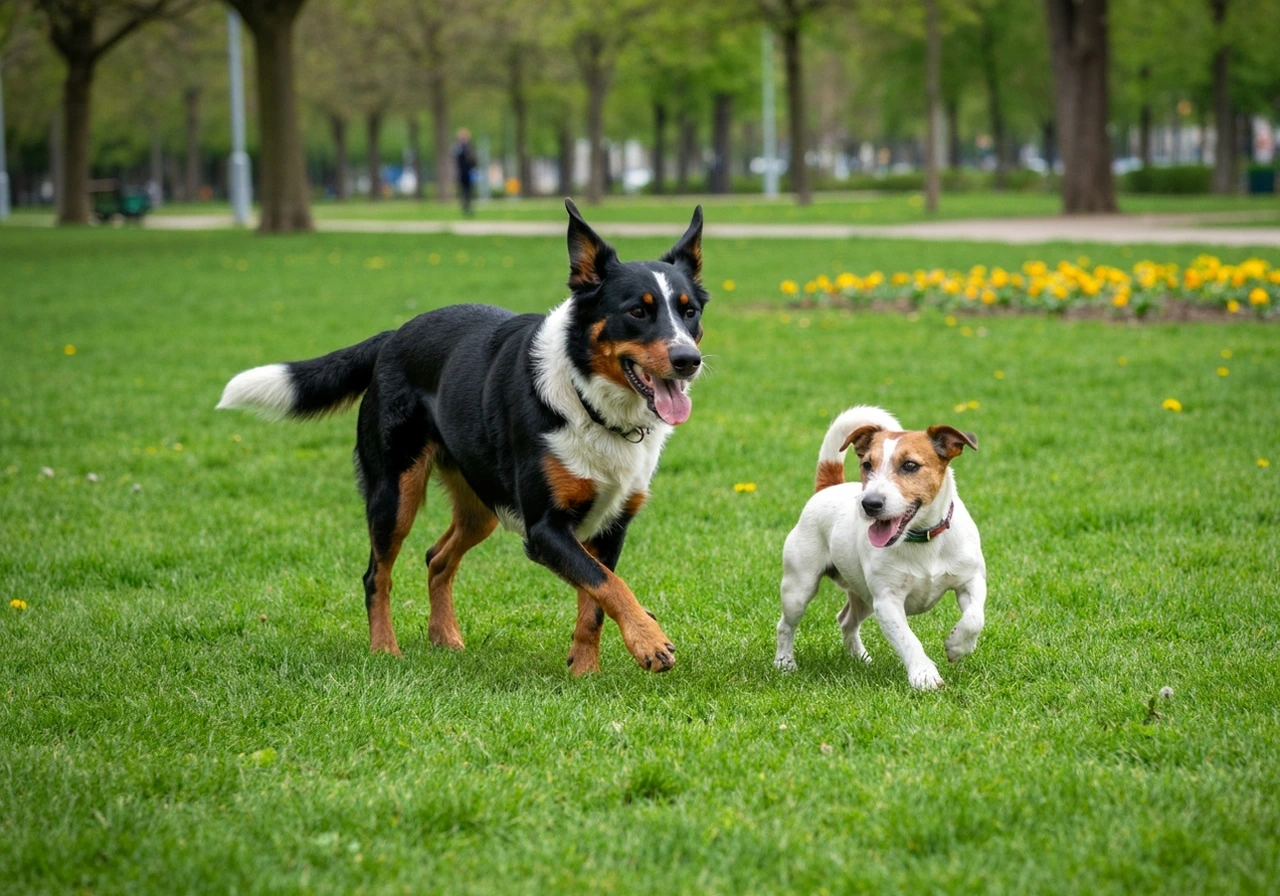
The Two Populations Today
AKC Border Collies and ABCA Border Collies now constitute essentially separate populations. Understanding their current status clarifies the practical situation. This split mirrors the divergence documented in other breeds, including the well-studied working line versus show line German Shepherd divide.
AKC Border Collies number in the tens of thousands. They're popular pets and show dogs. Many participate in dog sports—agility, obedience, disc dogs—that don't require herding ability. They're often wonderful companions for active families.
ABCA Border Collies also number in the tens of thousands, concentrated among working farms and trial competitors. These dogs herd livestock for a living or compete in sheepdog trials at various levels. They remain working dogs.
Crossover between populations is rare but not impossible. Some dogs are registered with both organizations. But breeding between populations is uncommon because the communities don't overlap. AKC breeders breed AKC dogs. Working breeders breed working dogs.
The populations are diverging genetically as well as phenotypically. Without interbreeding, different selection pressures produce different genetic profiles. Studies suggest that genetic markers now distinguish show and working populations. The breeds are separating at the DNA level.
Implications for Other Herding Breeds
The Border Collie case has implications for other herding breeds facing similar pressures.
Australian Shepherds have split along similar lines. Show Australian Shepherds diverge from working populations, though the split is less dramatic than in Border Collies. Working Australian Shepherds maintain herding ability; show Aussies increasingly don't. This pattern of working dogs failing to translate to show ring success reflects selection pressures that increasingly diverge.
Australian Cattle Dogs show some divergence, though the breed's relatively recent working history keeps populations closer. Working Cattle Dog breeders express concerns about show breeding effects on working temperament and ability.
Belgian Tervuren and other Belgian Shepherd varieties face split pressures. Show populations select for coat and color; working populations select for protection ability. The herding heritage is largely absent in both populations.
The pattern repeats: show breeding diminishes working ability in herding breeds just as it diminishes working ability in protection breeds. The mechanism is identical—selection for appearance removes selection pressure for function.
The Herding Instinct Question
A central question in herding breed standards is whether herding instinct can be preserved without actual herding. The Border Collie case suggests it cannot.
Herding instinct is a complex behavioral package. It includes the drive to approach livestock, the inhibition of direct predation, the responsiveness to handler direction, and the ability to read and anticipate livestock behavior. These components interact in sophisticated ways that selective breeding shaped over generations.
Show breeding doesn't select for any of these components. Dogs in show rings never see sheep. Their instincts—if present—are never tested. Selection pressure doesn't operate on untested traits.
The result is predictable: herding instinct erodes. Components that would be maintained through working selection are lost through random drift when not selected for. Within a few generations, show-bred dogs may lack the instincts entirely.
This erosion is not visible in the ring. A dog without herding instinct can still stand correctly and move soundly. Judges cannot evaluate instinct they never see demonstrated. The standard may describe herding character, but nothing in the evaluation tests for it.
Eye, Balance, and Power
Understanding what show breeding loses requires understanding what working Border Collies do. The behavioral complex defies simple description.
Eye refers to the intense, focused gaze Border Collies direct at livestock. This gaze—a modified predatory stare—exerts psychological pressure that causes sheep to move. Dogs with strong eye can hold sheep in place or move them with subtle pressure adjustments. Eye is the foundation of Border Collie work.
Balance describes the dog's ability to position itself correctly relative to sheep and handler. A dog with good balance naturally moves to points that control the flock. Poor balance requires constant handler correction. Good balance enables the dog to work with minimal direction.
Power is the ability to move reluctant livestock. Sheep that refuse to move despite eye and balance require additional pressure. Dogs with power can push through resistance. Power without control is dangerous; power with control is essential for difficult livestock.
These traits are heritable but also require development. Dogs must be exposed to livestock during developmental periods to fully express genetic potential. Show-bred dogs without livestock exposure during puppyhood may never develop capabilities their genetics would otherwise support.
Working breeders select for these traits deliberately. They observe how puppies respond to livestock. They evaluate dogs' positioning, responsiveness, and pressure. They breed from dogs that demonstrate the full behavioral complex. Show breeders cannot select for traits they never observe.
What Standards Should Require
For herding breeds, effective standards would require demonstrated herding ability. The specifics could vary, but the principle is clear: dogs should prove they can do what the breed was created to do.
Herding instinct tests represent minimum requirements. These tests—brief exposures to livestock under controlled conditions—reveal whether dogs have basic herding drive. Dogs without drive fail immediately. This minimum would eliminate dogs entirely lacking instinct.
Herding titles represent stronger requirements. Formal herding trials evaluate trained performance at increasing difficulty levels. Requiring titles would ensure breeding stock can demonstrate learned skills as well as instinct.
Working certifications represent the strongest requirements. Systems like European breed surveys evaluate dogs across multiple criteria including working demonstration. Comprehensive evaluation would maintain both instinct and trainability.
The AKC offers herding tests and trials. The infrastructure exists. What's lacking is the requirement that dogs must pass these evaluations for breeding or championship eligibility. Connecting herding evaluation to breeding decisions would transform selection pressure.
The ABCA Model
ABCA provides a model for function-based registration that other breeds might adopt.
ABCA registers dogs based on pedigree from working stock, not on meeting appearance standards. No physical requirements exist. Dogs vary dramatically in appearance while sharing working heritage.
This approach maintains genetic diversity. Different working styles, coat types, and sizes remain in the population. Selection focuses on performance, allowing variation in other traits.
The system works because the community values function. ABCA members are overwhelmingly working stockdog handlers. Their priorities shape registry policy. When the community values work, the registry preserves workers.
Other breeds could adopt similar approaches by establishing function-based registries separate from appearance-based systems. Working German Shepherd breeders effectively do this by working within SV systems that require working titles for breeding certification. Working Labrador Retriever breeders operate through field trial circuits that value performance over appearance.
The question is whether working communities can maintain separate systems indefinitely or whether integration with appearance-based systems eventually captures working populations. Border Collie working breeders have maintained separation for thirty years. Whether future generations will continue that separation remains uncertain.
Lessons for Breed Standards
The Border Collie case teaches several lessons applicable to standards debates generally.
First, working communities correctly predict the consequences of show recognition. Their expertise about their breeds exceeds kennel club expertise. Ignoring working community opposition leads to the outcomes working communities predict.
Second, appearance-based standards cannot preserve working ability. Standards that describe but don't require function lose function within a few generations. The standard language becomes meaningless when selection operates only on appearance.
Third, separate registries can preserve working populations. When working communities maintain independent systems, working dogs persist. Integration with show systems loses what separation preserves.
Fourth, the split creates two breeds regardless of shared names. Working Border Collies and AKC Border Collies are different dogs. Sharing a breed name doesn't make them the same thing. Honesty about breed division would serve everyone better than pretending unity.
The Border Collie stands as both warning and model. Warning about what happens when show breeding captures working breeds. Model of how working communities can preserve what show breeding would destroy. Future breed standard decisions should learn from both aspects of this ongoing story.