
The Politics of Breed Recognition
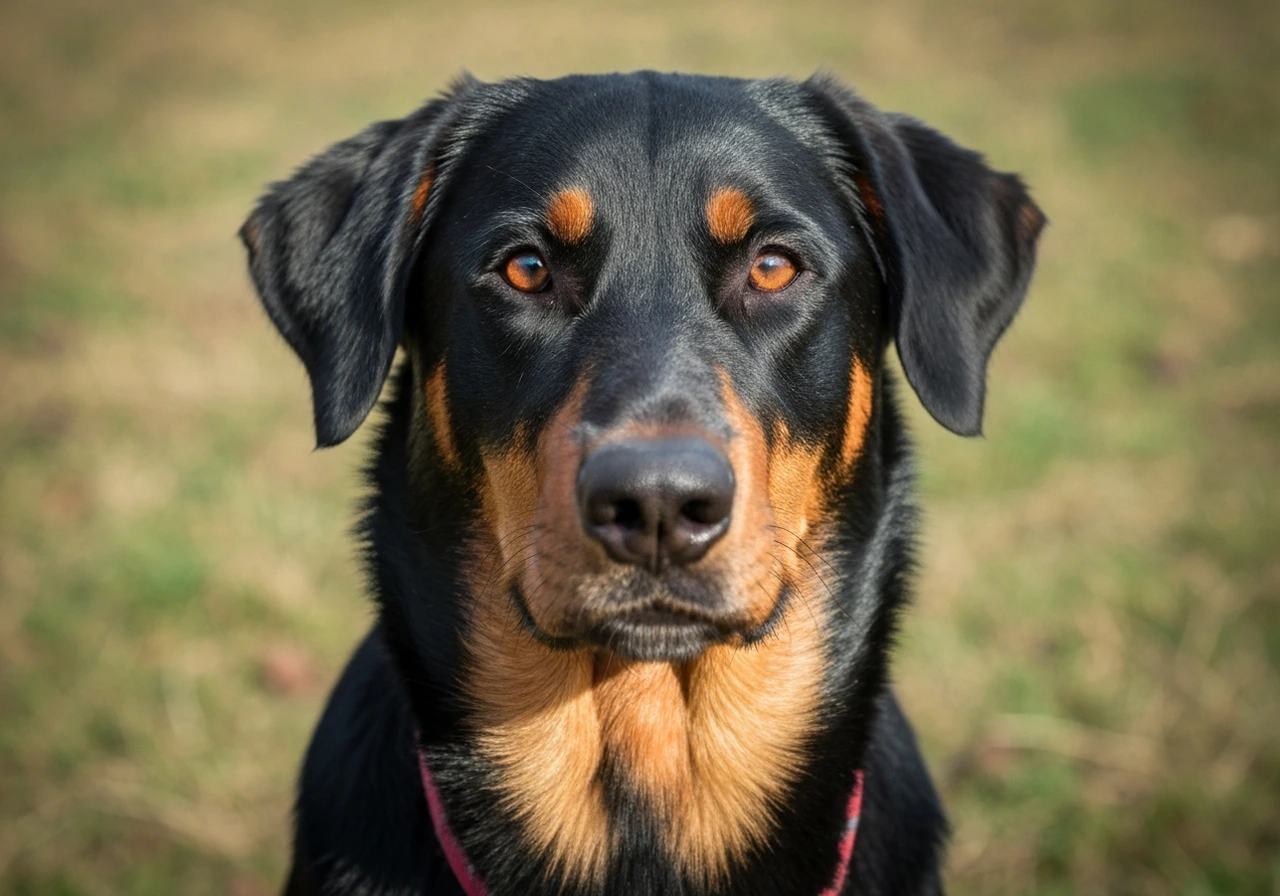
The Mudi has existed in Hungary for at least four centuries. The American Kennel Club recognized it in 2022.
That gap—400 years of breeding history versus a few years of bureaucratic process—tells you everything about how breed recognition actually works. It's not about dogs. It's about politics, paperwork, and knowing the right people.
I followed three breeds through the recognition process over the past four years: the Mudi, the Russian Toy, and the Bracco Italiano. Each took a different path. Each revealed something about the machinery that decides which dogs count as "real" breeds and which remain in limbo.
The Recognition Ladder
Understanding breed politics requires understanding the system.
The AKC has a multi-stage process. Breeds start in the Foundation Stock Service, basically a registry for developing breeds without competition privileges. After meeting population and club requirements, they move to Miscellaneous Class, where they can compete but not earn championship points. Full recognition follows—eventually.
The requirements sound straightforward. A minimum number of dogs registered. A functioning parent club with bylaws, a constitution, officers. Geographic distribution across the country. A written breed standard.
In practice, nothing is straightforward.
"The requirements are the easy part. You can meet every requirement and still wait years. What they don't tell you is that you need sponsors on the board. You need relationships. You need people who'll answer when you call."
Case Study: The Mudi's Long Road
The Mudi is a Hungarian herding dog with a devoted following. The breed has FCI recognition, a strong European population, and centuries of documented history. AKC recognition should have been routine.
It took nearly fifteen years.
Linda Kessler told me the story over three separate interviews. The Mudi Club of America formed in 2004. They applied for Foundation Stock Service that year. Miscellaneous Class came in 2016—twelve years of paperwork, club-building, and waiting.
The final push to full recognition required political maneuvering that had nothing to do with the dogs themselves.
A delegate from a major state club opposed the Mudi's recognition because he'd had a personal conflict with an early Mudi Club officer. That conflict dated from the 1990s—before the recognition effort even started. But kennel club politics have long memories.
Kessler spent two years working around this opposition. She cultivated relationships with other delegates. She found supporters on the AKC board. She rewrote portions of the club's bylaws three times to address objections that seemed designed to delay rather than improve.
The Mudi finally achieved full recognition on January 1, 2022. By then, the original opposing delegate had retired. The path cleared only because the obstacle removed itself.
The Russian Toy's Divided House
Some breeds fail not because of external opposition but internal warfare. The Russian Toy nearly became one of them.
Two factions of Russian Toy enthusiasts in the US couldn't agree on anything. They disagreed about the breed standard. They disagreed about club governance. They disagreed about which founding members deserved credit. They disagreed about disagreeing.
I obtained emails from both factions. The vitriol was remarkable. Adults with professional careers writing messages that would embarrass teenagers. All over a four-pound dog.
The AKC eventually intervened. They told both factions to merge or neither would receive recognition. The merger happened—barely—in 2019. Tensions remain. As I noted in my piece on FCI vs AKC standards divergence, the American Russian Toy fancy is already developing interpretations that differ from the European original.
Full recognition came in 2022, the same day as the Mudi. Both breeds had waited over a decade. Both had stories of conflict that had nothing to do with the dogs' quality or history.
The Bracco Italiano: Money Talks
The Bracco Italiano took a different path. This Italian pointing breed had wealthy, influential supporters. It shows.
Richard Canton breeds Braccos on his Connecticut estate. He also donates generously to AKC programs and sits on two AKC advisory committees. When the Bracco Italiano Club of America needed support for its recognition bid, Canton made calls.
The breed moved from Miscellaneous to full recognition faster than almost any breed in recent AKC history. Coincidence, according to official statements. Pattern recognition, according to everyone else.
"I won't pretend money doesn't matter. Anyone who says the process is purely merit-based hasn't watched it work. The breeds with resources move faster. That's reality."
Canton denied that his donations accelerated recognition. He pointed to the breed's clear FCI standard, its historic documentation, its population numbers. All true. Also true: other breeds with similar credentials wait longer.
What Recognition Means
You might wonder why any of this matters. Can't people breed and show dogs without kennel club approval?
Technically yes. Practically no.
Recognition brings legitimacy. Puppy buyers trust AKC-registered dogs more than dogs from alternative registries. Breeders can compete at major shows, build champions, establish reputations. The economic value of a breeding program depends heavily on registry status.
Recognition also brings constraints. The parent club controls the breed standard. The AKC enforces breeding regulations. Breeders who disagree with club politics can't simply leave—they'd abandon their dogs' competitive eligibility.
This creates capture. Once a breed achieves recognition, the founding group controls it indefinitely. New breeders must work within the existing structure or accept marginalization. Power consolidates among those who won the initial political battles.
The FCI Alternative
Internationally, the FCI offers a different model. Recognition typically follows the breed's country of origin. A Hungarian breed gets its standard from Hungary. An Italian breed from Italy. Politics still matter, but they're localized.
American breeders who feel excluded from AKC politics sometimes pursue FCI recognition through other countries' kennel clubs. It's a back door that occasionally works.
The Lancashire Heeler, a small British herding breed, has FCI recognition through the UK Kennel Club but only recently achieved AKC recognition. American enthusiasts showed their dogs at FCI events for years while waiting for AKC approval. The dogs were the same. The bureaucracies differed.
Breeds in Waiting
Right now, several breeds sit in AKC limbo.
The Danish-Swedish Farmdog has been in Foundation Stock Service since 2011. Thirteen years and counting. The breed has a clear standard, documented history, and an active American club. What it lacks, according to my sources, is influential advocates.
The Kai Ken, a Japanese breed, faces similar delays. The club meets numerical requirements. The dogs are healthy and well-bred. The paperwork is complete. But recognition remains perpetually "under review."
Meanwhile, newer breeds with better-connected supporters move faster through the same process. The system works. It just doesn't work fairly.
Behind Closed Doors at 101 Park Avenue
AKC headquarters in New York houses the decisions that shape breed futures. I visited in October 2023 for a scheduled interview that became more revealing than either party expected.
My meeting was with a mid-level staff member who handles recognition paperwork. She'd agreed to explain the formal process. What she actually explained, once we'd talked for an hour and built some rapport, was how the formal process intersects with informal influence.
Certain delegate names accelerate reviews. Certain club officers get their calls returned faster. Certain breeds have "champions" on the board who move their applications forward. None of this appears in written procedures.
"We try to be fair. Everyone here tries to be fair. But we're also realistic about how organizations work. Some applications get more attention because more people care about them. That's not corruption—it's just how humans operate in any institution."
Fair enough. But the breeds that suffer from this reality—the ones without champions, without wealthy supporters, without political connections—might disagree that it's not corruption.
What Aspiring Breeds Should Know
Based on four years of reporting, here's my advice for anyone trying to get a breed recognized.
Start building relationships before you need them. Attend AKC events. Meet delegates. Make friends in established breed clubs. The time to cultivate supporters is years before your recognition vote.
Avoid internal conflict at all costs. The AKC will not referee disputes. They'll wait until you resolve them, however long that takes. A unified club moves forward. A divided club stalls.
Document everything. Population numbers, geographic distribution, health testing results, breed history. Make the paperwork perfect so opponents can't use procedural objections to delay.
Find a champion on the board. Someone who knows your breed, believes in your breed, and will advocate when decisions get made in rooms you're not invited to. Without that advocate, you're hoping the system treats you fairly. Hope isn't a strategy.
Finally, be patient. Recognition takes years. Sometimes decades. The Mudi waited fifteen years despite meeting every requirement. The process rewards persistence more than it rewards merit.
The System We Have
Breed recognition politics reflect the broader nature of kennel club organizations. These are membership bodies where influence accumulates over time. Established breeders protect their positions. Newcomers struggle to break through. Change happens slowly if at all.
This isn't unique to dogs. Every membership organization develops similar dynamics. Country clubs, professional associations, hobby groups—power concentrates among those who show up consistently and play the game skillfully.
What makes kennel club politics distinctive is the stakes. For breeders who've dedicated decades to a breed, recognition determines whether their life's work receives validation. For dogs themselves, recognition affects breeding populations, genetic health, and long-term survival.
The politics matter. Even when they shouldn't.
I'll continue reporting on breeds moving through the recognition process. The Mudi Club of America has already invited me to cover their first AKC National Specialty. The challenges facing working dogs in show rings start here, with decisions about which breeds count and who gets to define them. Watch this space.