
Breed Preservation Through Working Programs
The Border Collie sheepdog community saw what was coming. When the American Kennel Club announced it would recognize the Border Collie in 1995, working breeders organized opposition. They predicted that show ring selection would transform their breed into something different—a prediction that has proven entirely accurate.
What the sheepdog community understood, and what many breed clubs have failed to grasp, is that working programs preserve breeds more effectively than show programs. Function maintains type. When function is removed from the selection equation, breeds drift. This isn't theory. It's observable history across dozens of breeds.
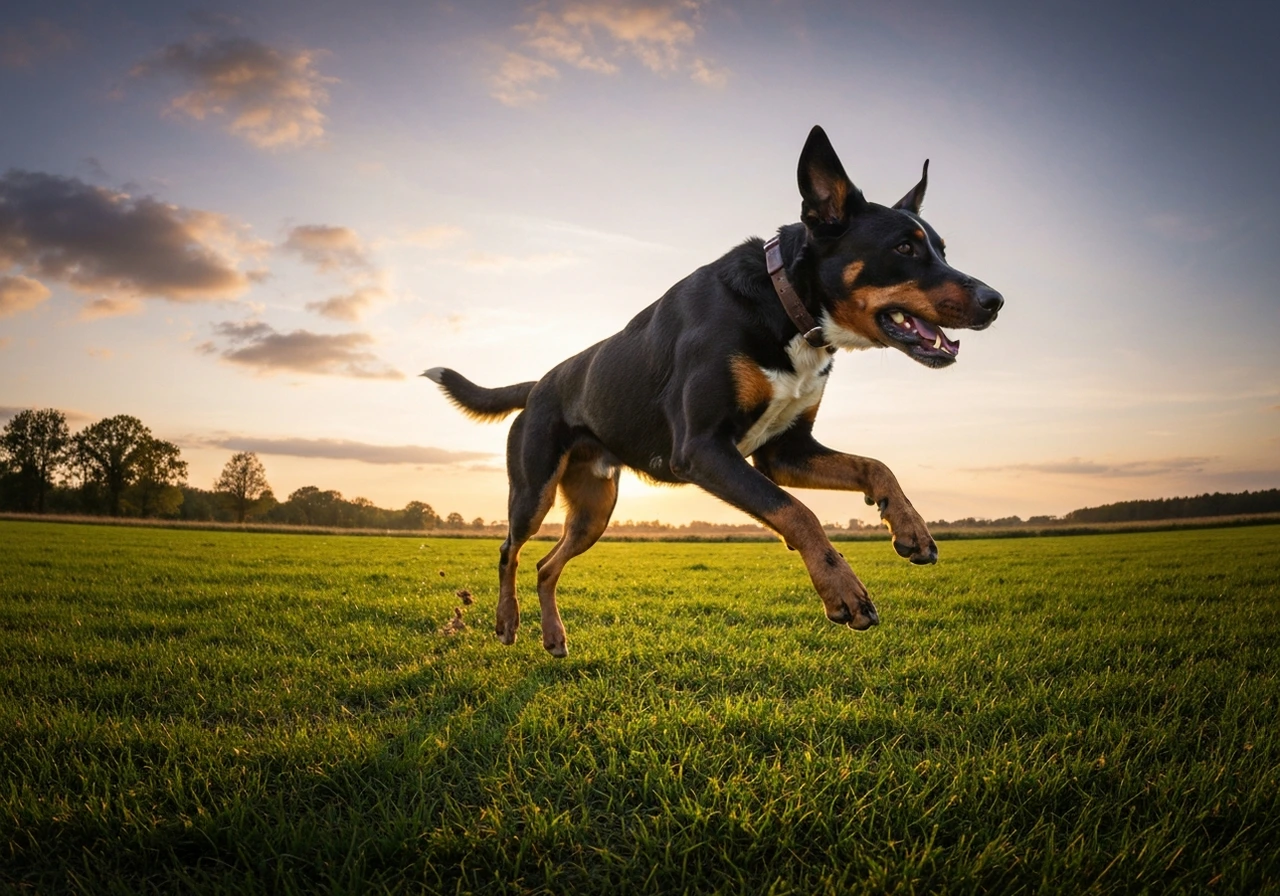
What Preservation Actually Means
Breed preservation is invoked constantly in dog breeding circles, but the term means different things to different people. Clarifying the concept reveals why working programs preserve more effectively.
Show breeders typically define preservation as maintaining breed appearance. A breed is preserved if dogs continue to look like the breed standard describes. By this definition, a German Shepherd that looks correct is a preserved German Shepherd, regardless of whether it could perform any of the tasks German Shepherds were created for.
Working breeders define preservation as maintaining breed function. A breed is preserved if dogs continue doing what the breed was created to do. Appearance matters only insofar as it supports function. A herding dog that herds is preserved. A herding dog that cannot herd is not, whatever it looks like.
The functional definition aligns better with the historical purpose of breeds. Breeds were not created to look a certain way. They were created to do certain things. The German Shepherd was created to herd and protect. The Labrador Retriever was created to retrieve. The Belgian Malinois was created for protection work. Appearance followed function—form developed to serve purpose.
Preserving appearance without function preserves the packaging while discarding the contents. This may satisfy aesthetic concerns, but it's not really preservation. It's memorial.
How Working Selection Preserves
Working programs preserve breed characteristics through a simple mechanism: dogs that cannot work don't breed. This selection pressure maintains every characteristic necessary for work, including characteristics that show selection ignores or actively selects against.
Structure is maintained because unsound dogs break down before completing working careers. A German Shepherd with extreme rear angulation cannot sustain protection work. A Labrador with excessive bone tires too quickly in the field. Structural problems that don't prevent show ring trotting do prevent working performance. Selection for working success automatically maintains working structure.
Temperament is maintained because dogs lacking working temperament fail working tests. A herding dog without prey drive cannot move livestock. A protection dog without defense drive cannot engage threats. A detection dog without environmental curiosity cannot search systematically. Selection for working success automatically maintains working temperament.
Health is maintained because sick dogs cannot work. Dogs with joint problems, respiratory issues, or energy metabolism problems cannot sustain working performance. They're removed from breeding populations not through health testing but through performance failure. Selection for working success automatically maintains working health.
"In our program, the dogs select themselves. We don't decide which dogs should breed based on appearance. We observe which dogs can do the work. The dogs that succeed breed. The dogs that fail don't. This is how breeds were created. This is how breeds are preserved."
The Border Collie Case Study
The Border Collie provides the clearest demonstration of working versus show preservation because both populations remain visible and the divergence has been rapid.
Before AKC recognition, Border Collies were registered primarily through the American Border Collie Association, which maintained a performance registry. Dogs earned registration by demonstrating herding ability, not by meeting appearance standards. The breeding population was selected entirely for function.
AKC recognition created a show population selected for ring success. Within two decades, the populations became visibly different. Show Border Collies developed heavier coats, blockier heads, and calmer temperaments. Working Border Collies maintained the moderate structure, efficient movement, and intense herding instinct that defined the breed.
The divergence demonstrates what happens when selection criteria change. Both populations are Border Collies by registry definition. But the working dogs can still herd sheep, and many show dogs cannot. Function has been preserved in one population and lost in another.
Working Border Collie breeders predicted this outcome and opposed AKC recognition specifically to prevent it. The show community dismissed their concerns as elitism. History has validated the working breeders' predictions comprehensively.
Working Programs Across Breeds
The Border Collie example represents a broader pattern. Across multiple breeds, working programs preserve characteristics that show programs lose.
Belgian Malinois working programs produce dogs with the drives, nerves, and structure necessary for police and military service. These dogs dominate professional working applications worldwide. Show Malinois populations, though smaller, demonstrate the typical show drift toward calmer temperaments and sometimes compromised structure.
Labrador Retriever field programs maintain the moderate build, short coat, and intense retrieving instinct that defined the breed. Field-bred Labs look and behave differently from show Labs—lighter, leaner, more driven. The functional Labrador survives in working populations even as show populations drift toward heavier, calmer, less motivated dogs.
German Shepherd working programs preserve the moderate structure, stable nerves, and working drives that show populations have largely lost. Working German Shepherds from European police programs bear minimal resemblance to American show lines. As detailed in our comparison of working and show line German Shepherds, the dogs that von Stephanitz created exist in working populations. Show populations have evolved into something different.
German Shorthaired Pointers split into show and field populations decades ago. Field breeders maintain hunting ability through NAVHDA testing and field trials. Show populations have drifted toward heavier bone and reduced hunting drive. The functional breed exists in the field population.
Why Show Selection Fails to Preserve
Show selection fails to preserve working breeds because show success requires different characteristics than working success. The traits that win shows are not the traits that enable work. Selection for one set of traits necessarily reduces selection pressure for the other.
Shows evaluate momentary presentation. Dogs need to look correct for a few minutes. They need to stand still. They need to move in specified patterns. They need to tolerate examination. Working dogs need to perform for hours, make independent decisions, and work under pressure. The behavioral profiles diverge, as our reporting on what judges actually evaluate makes clear.
Shows reward extremes that catch judges' eyes. Moderate dogs, however correct, don't stand out. Judges notice the most angulated rear, the heaviest bone, the most profuse coat. These extremes often compromise function. Working selection punishes extremes. Show selection rewards them.
Shows occur regardless of health. A dog with early joint problems can still win shows before those problems become disabling. A dog with reduced lung capacity can still trot around a ring. Working tests expose these problems because performance requires sustained effort. Show evaluation doesn't.
The Genetic Reservoir Argument
Working populations serve as genetic reservoirs for breed reconstruction when show populations become too compromised. This argument has practical implications as show populations increasingly face health and structural problems.
When the UK Kennel Club faced pressure to address Bulldog health problems, one pathway involved introducing genetics from working bulldog populations that had maintained more moderate structure. These populations existed because some breeders had continued selecting for function rather than show extremes.
German Shepherd breeders concerned about American show line health problems can access working European bloodlines that maintain sound structure. These populations exist because police and military programs continued selecting for functional dogs regardless of show trends.
If show populations eventually collapse under the weight of health problems, working populations provide material for reconstruction. But this reservoir exists only if working programs continue operating independently of show systems. Integration of working populations into show systems would eliminate the reservoir.
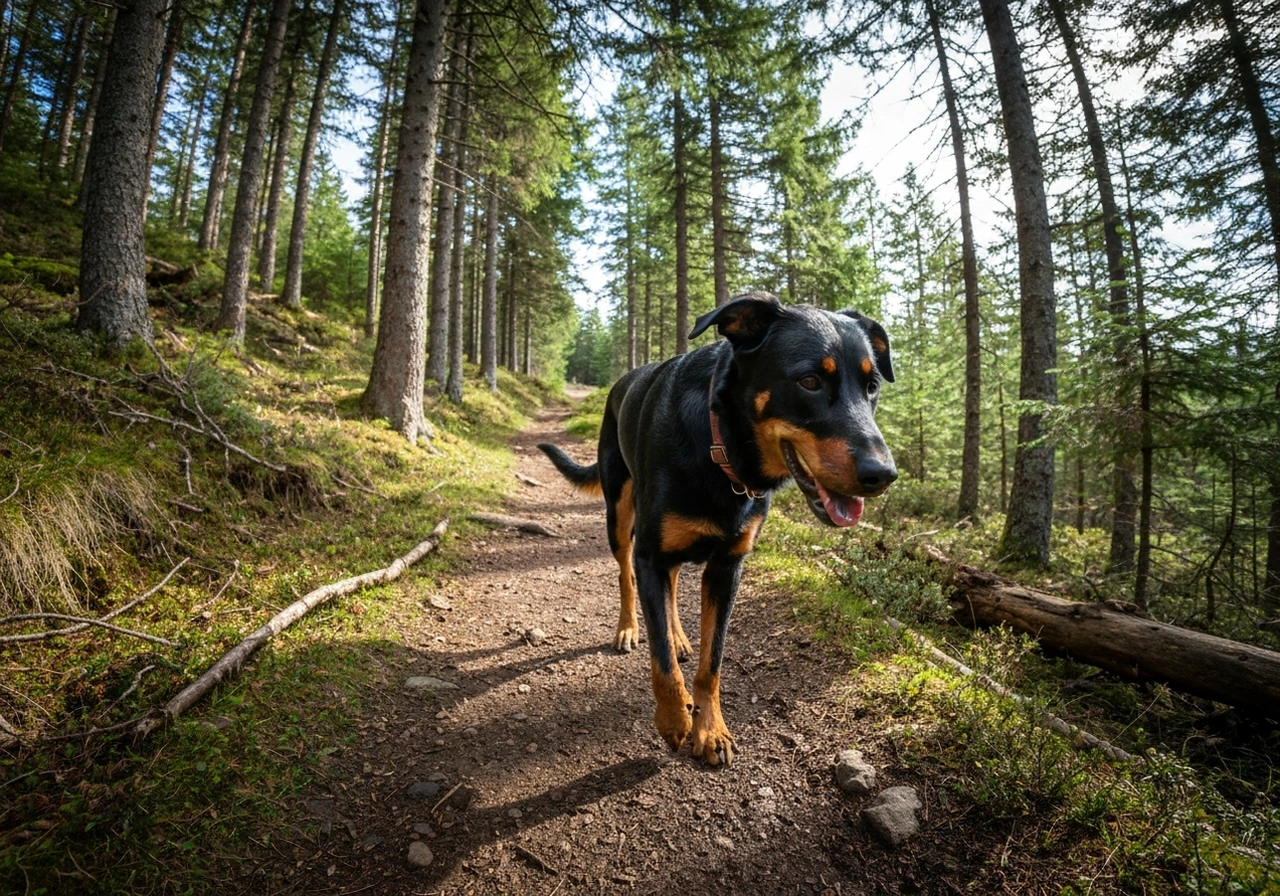
Challenges Facing Working Programs
Working programs face challenges that threaten their preservation function. Acknowledging these challenges helps explain why working populations often remain small despite their importance.
Working homes are scarce. Dogs with strong working temperaments need outlets for their drives. They cannot simply be house pets. Finding appropriate homes for working dogs limits how many puppies working programs can responsibly produce. This limitation keeps populations small. The temperament requirements that define working breeds demand more from owners than casual pet ownership provides.
Working activities face restrictions. Herding requires access to livestock. Protection training requires specialized facilities. Hunting requires appropriate land. Urban and suburban expansion reduces opportunities for working dogs to actually work. Fewer working opportunities means fewer working dogs means smaller breeding populations.
Working tests require expertise. Evaluating working performance requires experienced observers who understand what good performance looks like. This expertise develops through years of participation. As working communities age without adequate recruitment, the capacity to evaluate performance declines.
Working programs compete with show programs for breeding stock. Dogs with enough structural quality to succeed in shows often get pulled into show programs where puppy prices are higher. Working programs must resist economic pressure to breed for pet and show markets rather than working markets.
"Our biggest challenge isn't breeding good dogs. It's finding homes that can handle good dogs. Every litter, we turn away buyers who want a working-bred dog but live in apartments and work twelve-hour days. The dogs need more than they can provide."
Preserving Without Purpose
A fundamental question underlies all breed preservation efforts: why preserve breeds whose original purposes have largely disappeared?
Most people don't need herding dogs. Mechanized farming has reduced working sheepdog populations to a tiny fraction of historic numbers. Most people don't need gun dogs. Hunting participation has declined for decades. Most people don't need protection dogs. Modern security systems and law enforcement reduce reliance on personal protection animals.
The utilitarian argument for working breeds has weakened. If the work no longer exists, what justifies preserving the capacity to do it?
Several answers have merit. Genetic diversity arguments suggest that eliminating working capacity reduces options for future breeding decisions. Cultural heritage arguments value breeds as living history regardless of current utility. Recreational purpose arguments note that herding trials, hunt tests, and protection sports continue even when commercial applications decline.
But perhaps the most compelling argument is simply that breeds defined by function cease to be those breeds when function is lost. A German Shepherd without the mental and physical capacity to work is not really a German Shepherd—it's a dog that looks somewhat like a German Shepherd but lacks what made the breed valuable. Preserving the appearance while losing the essence isn't preservation. It's taxidermy.
Integration Versus Separation
Debate continues about whether working and show populations should remain separate or attempt integration. Both approaches have proponents and problems.
Separation maintains selection pressure for function. Working programs that operate independently of show systems avoid contamination from show-selected genetics. The dogs that win working competitions breed with other dogs that win working competitions. Selection remains focused on function.
But separation accelerates divergence. Two populations breeding in isolation will continue accumulating differences. Eventually, differences become large enough that crossing the populations produces inconsistent results. Genetic isolation creates its own problems over time.
Integration might maintain genetic connectivity while allowing both selection systems to operate. Dogs could compete in both venues, with breeding decisions reflecting both criteria. In theory, this produces dogs that can work and show.
But integration in practice usually means show selection dominates. The show market is larger, puppy prices are higher, and economic incentives favor show success. Breeders attempting dual-purpose programs typically drift toward show priorities because that's where the money is. Integration usually means the end of working selection rather than its continuation.
The German system attempts a middle path. Working requirements remain mandatory for breeding certification, but dogs also compete in conformation shows. This maintains selection pressure for both function and appearance. However, the system has still produced divergence between show-focused "high lines" and working-focused lines. Complete integration may be impossible.
Recommendations for Preservation
Effective breed preservation through working programs requires several elements.
Working registries should remain independent of show registries. Dogs should be registered based on demonstrated working ability, not appearance. Performance should be the criterion for inclusion in the breeding population.
Working communities should resist economic pressure to serve pet markets. Breeding decisions should prioritize working performance, not buyer convenience. This means producing fewer puppies and being selective about buyers.
Working communities should maintain cultural transmission of evaluation expertise. Young people should be recruited and mentored in the skills needed to evaluate working performance. The knowledge to assess working dogs must be preserved alongside the dogs themselves.
Working communities should document their dogs and programs for historical record. Photographs, video, performance records, and breeding documentation preserve information that will be valuable for future breed historians and potential breed reconstruction efforts.
Kennel clubs that wish to preserve breeds should require working demonstrations for breeding eligibility in working breeds. Dogs that cannot perform breed-typical work should not breed, regardless of their show careers. This single reform would transform breed preservation.
The Preservation Imperative
Working dog breeds represent centuries of selective breeding for specific capacities. The German Shepherd, the Border Collie, the Belgian Malinois, the Labrador Retriever—each embodies accumulated genetic heritage selected for purpose. This heritage is irreplaceable once lost.
Show breeding has proven insufficient to preserve this heritage. Breeds subjected to show selection without working requirements lose function within decades. The process is predictable, documented, and continuing.
Working programs preserve what show programs lose. This isn't ideology—it's observation. The dogs that can still work come from working programs. The dogs that cannot work, increasingly, come from show programs. The evidence is clear.
Those who care about preserving working breeds must support working programs. This means purchasing dogs from working breeders, participating in working activities, and advocating for working requirements in breed standards. The alternative is watching breeds transform into hollow versions of what they once were—dogs that look correct but have lost everything that made them valuable.
Breed preservation matters. Working programs are how it actually happens.